
Spain
Seafood Paella
Paella
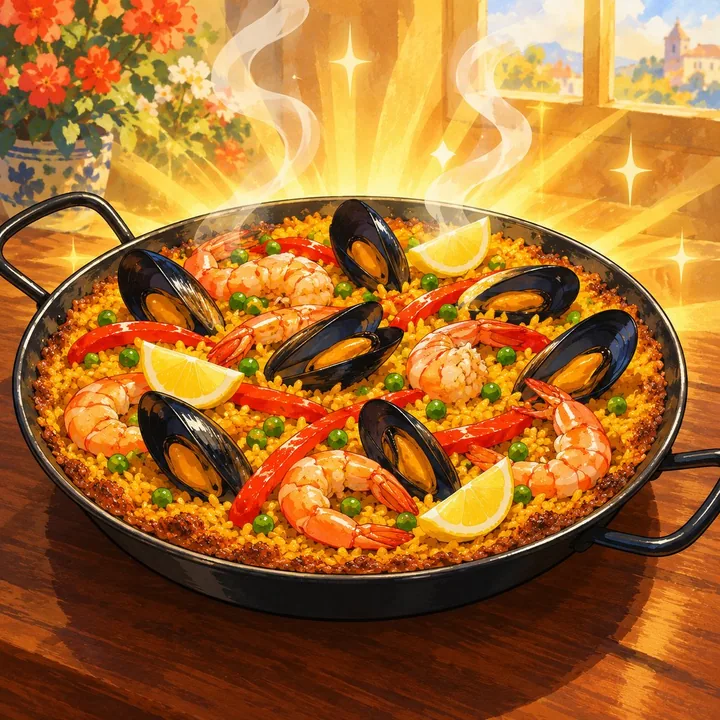
The paella of Valencia traditionally means rabbit, chicken and beans. This one is paella de marisco, the seafood version found along Spain's Mediterranean coast. Its goal is a thin layer of rice with distinct grains and a crisp, caramelized base called socarrat. So the most important rule is unusual for rice: once the stock goes in, leave it unstirred.
- Prep
- 20 min
- Cook
- 1 hr
- Total
- 1 hr 20 min
- Serves
- 4
Ingredients
 12 large shell-on shrimp
 5 1/2 cups (1.3 L) fish or seafood stock
 1/2 tsp saffron threads
 1/4 cup (60 ml) extra-virgin olive oil
 8 oz (225 g) cleaned squid, cut into rings
 1 small onion, finely chopped
 1 red bell pepper, finely chopped
 4 garlic cloves, minced
 2 ripe tomatoes, grated, skins discarded
 2 tsp sweet smoked paprika (pimentón)
 1 1/2 cups (300 g) bomba rice, or Calasparra or Arborio
 1 tsp salt, or to taste
 1 lb (450 g) live mussels, scrubbed and debearded
 1 lemon, cut into wedges
 2 tbsp chopped parsley
Instructions
- Peel the shrimp, leaving the tails on, and put the shells in a pot with the stock. Simmer for 15 minutes, then strain, crumble in the saffron and keep the stock hot on a back burner. You need 5 cups (1.2 L).
- Heat the oil in a 14-inch (35 cm) paella pan or your widest skillet over medium-high. Sear the shrimp for 1 minute per side and set them aside. They'll finish cooking later.
- Add the squid to the same pan and cook for 2 minutes. Lower the heat to medium, add the onion and pepper and cook for 6 minutes, until soft. Stir in the garlic for 30 seconds, then add the tomatoes and cook for 5 minutes, until the mixture is thick and dark. Stir in the paprika for a few seconds.
- Add the rice and stir for 2 minutes so every grain is coated and glossy. Spread it in an even layer.
- Pour in the hot stock and the salt, and shake the pan once to level everything. Taste the liquid, which should be slightly salty. From now on, do not stir. Boil over medium-high for 10 minutes, rotating the pan if your burner is smaller than the base.
- Lower the heat to medium-low. After 2 minutes, press the mussels into the rice hinge side down. Cook for 6 minutes more, adding the shrimp for the last 3, until the rice has absorbed the liquid, the mussels have opened and the shrimp are opaque and reach 145°F (63°C). Lay foil loosely on top if the mussels are slow to open. Throw away any that stay closed.
- For the socarrat, raise the heat to medium-high for 1 to 2 minutes, until you hear crackling and smell toasted rice. Remove from the heat just before it smells burnt.
- Cover loosely with a clean towel and rest for 5 minutes. Scatter the parsley on top and serve from the pan with lemon wedges, scraping up the crust from the bottom.
Tips
- Bomba absorbs a lot of liquid and resists turning mushy, which makes it worth seeking out. Arborio cooks faster and gets creamier, so start with about 4 cups (950 ml) of stock.
- Before cooking, discard any mussels with cracked shells or that don't close when tapped. Keep them cold until you need them.
- If the rice is still firm when the liquid is gone, sprinkle on 1/4 cup (60 ml) of hot stock, cover with foil and cook gently for 3 to 4 minutes.
Did you know?
- Paella is named after the wide, shallow pan it is cooked in.
- Paella comes from Valencia, on the east coast of Spain.
- The crispy rice stuck to the bottom of the pan is called socarrat.
Questions
Should you stir paella?
Only before the stock goes in. Stirring afterward releases starch, makes the rice creamy like risotto and prevents the socarrat from forming.
Does paella have chorizo?
Traditional Spanish recipes don't include it, and Valencian cooks are known for objecting to it. It would also overpower the seafood here.
Do I need a paella pan?
It helps, but it isn't required. Use your widest skillet and keep things shallow, with the rice and stock together no more than about 1 inch (2.5 cm) deep. A deep pot won't produce the same result.
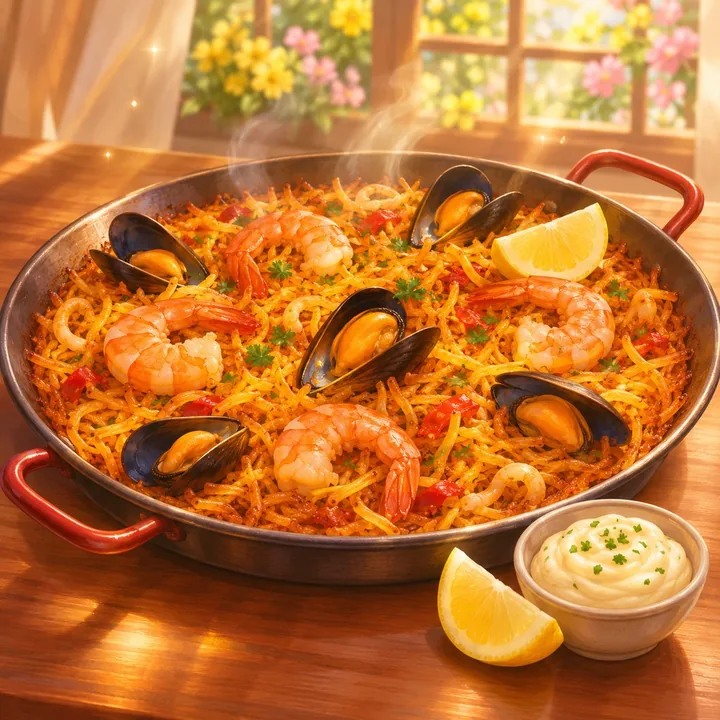 Fideuà
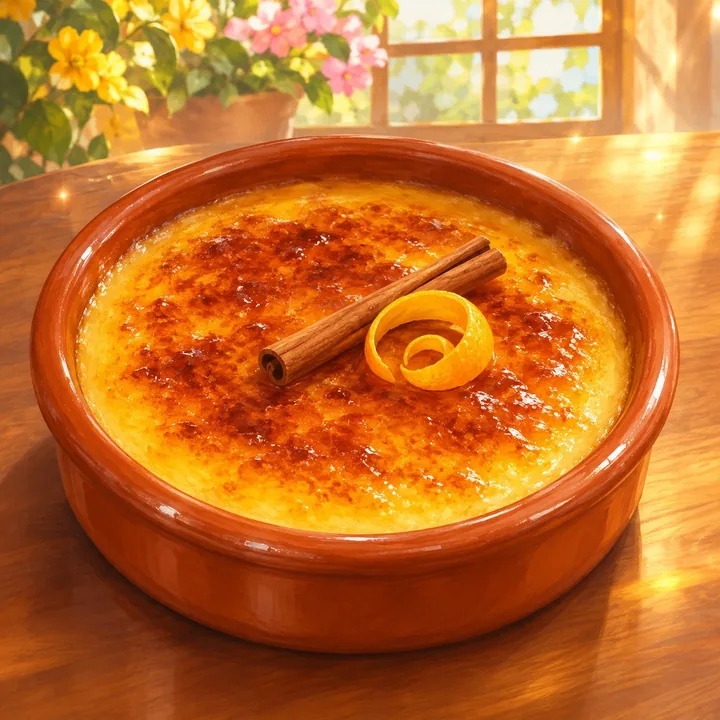 Crema Catalana